
Vancouver Crawl Space Water
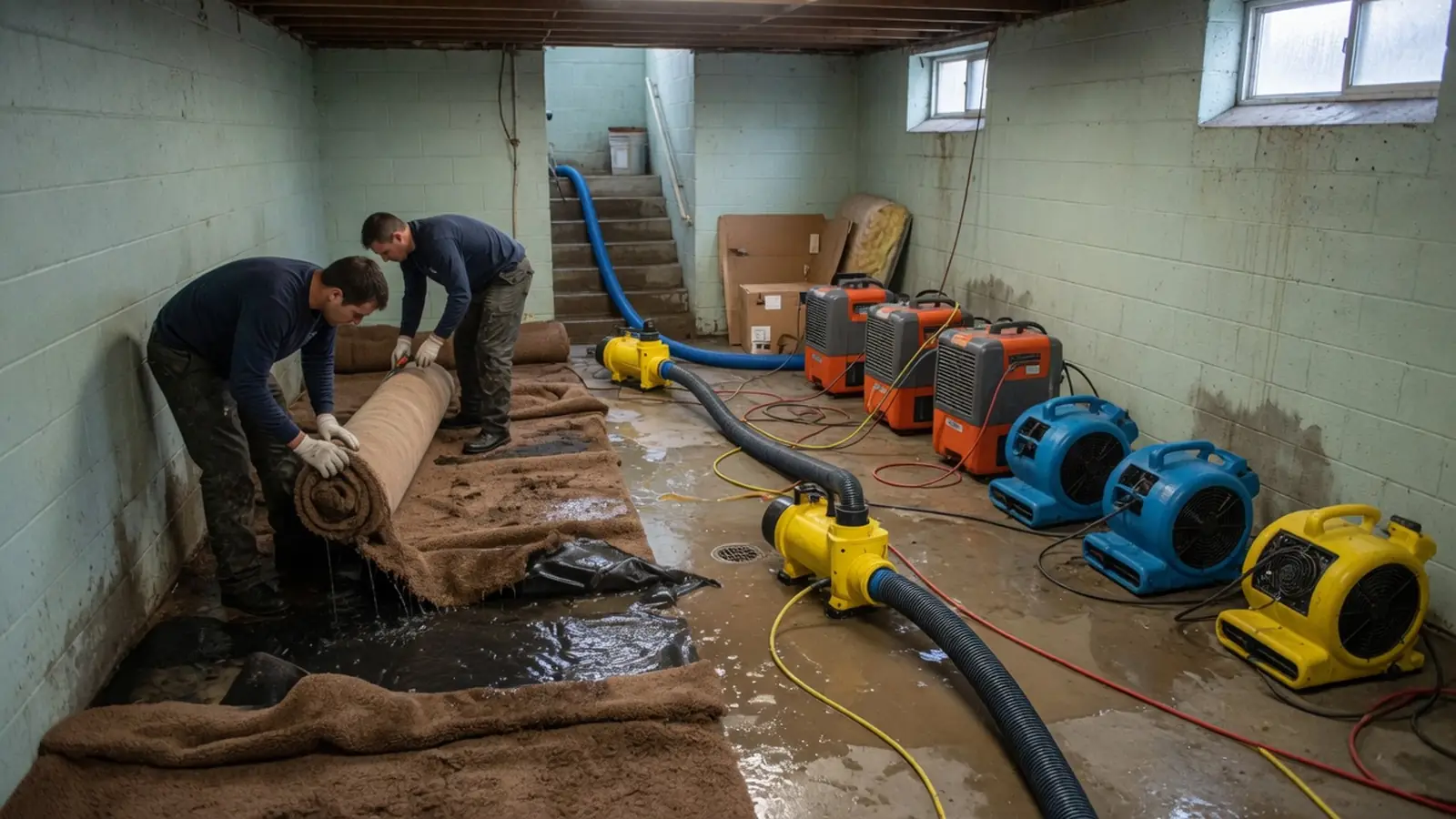
When extensive standing water collects beneath homes following heavy rainfall, raising urgent concerns about pump-outs, structural wood rot, and subfloor drying, prompt professional action is critical. Our dedicated crew deploys industrial submersible extraction equipment and commercial air movers to protect your foundation framing. We eliminate pooling runoff fast to restore healthy structural conditions under your living spaces.
Questions? (360) 555-0147.
Prefer to talk? (360) 555-0147
Dedicated Sub-Grade Water Removal
Extended winter rainstorms in southwest Washington frequently raise the regional water table, pushing hydrostatic groundwater up through unsealed crawl space dirt floors.
A pattern echoed in public discussions is that owners of older residences deal with persistent crawl space humidity, efflorescence, and musty odors while evaluating the necessity of sealed encapsulation and sump pumps.
During a recent project near Carter Park, our crew pumped out eight inches of standing muddy intrusion before delivering prompt emergency water damage restoration to protect structural floor joists from permanent rot.
Every subfloor inspection begins with calibrated thermal imaging and pin-type wood moisture testing across sill plates and foundation pony walls.
We carefully haul out silt deposits and contaminated debris in sealed heavy-duty containers to keep your upper living quarters clean.
Our Subfloor Drying Protocol
As local homeowners often describe after regional weather events, severe atmospheric river storms saturate regional soils and raise water tables, overwhelming aging perimeter weeping tiles and flooding sub-grade spaces. We follow an exacting four-stage protocol to eliminate pooled liquid and thoroughly dry structural members.
- Rapid Water Extraction. Our technicians deploy commercial submersible trash pumps and weighted extraction wands to pull standing groundwater out through foundation access openings.
- Insulation And Debris Removal. Saturated fiberglass batt insulation in a flooded crawl space loses its R-value permanently and must be stripped to prevent trapped moisture against floor joists. Removing these soggy batts early allows framing to breathe and helps homeowners prevent toxic organic growth through professional mold remediation before airborne spores migrate upstairs.
- Targeted Structural Dehumidification. We position low-profile centrifugal air movers alongside commercial desiccant dehumidifiers to circulate dry, heated air across wet subflooring until equilibrium moisture levels return.
- Antimicrobial Treatment And Drainage Review. Technicians apply an EPA-registered botanical antimicrobial wash to all exposed timber to halt fungal proliferation. Homeowners often report that persistent standing water pools across crawl space soil after heavy rains, requiring French drains, grading corrections, and sump basin installations for lasting perimeter protection.
Our Moisture Removal Commitment
We maintain strict adherence to industry drying standards, verifying every job with calibrated moisture meters rather than guesswork. If severe weather drives runoff into your foundation, you can discover our complete storm damage mitigation approach to stabilize your property before structural degradation begins. Our crew stands behind every mitigation phase with daily monitoring and transparent communication until your subfloor framing reaches safe moisture equilibrium.
Subfloor Water Pump-Out
We deploy high-volume submersible pumps to extract standing groundwater pooling over dirt or concrete sub-grade floors. Immediate removal stops saturation before dampness wicks into structural beams.
Wet Insulation Disposal
Damaged insulation traps moisture against wooden floor joists and creates an ideal breeding ground for wood-decay fungi. We safely bag and discard soggy batts while cleaning the crawl space deck.
Sub-Grade Structural Dehumidification
Industrial low-grain refrigerant dehumidifiers and targeted axial fans rapidly draw moisture out of damp subflooring. Daily digital tracking ensures your framing reaches proper dry standards.
Our Subfloor Remediation Standards
We approach every flooded sub-grade area with rigorous moisture assessment and transparent communication. Our team monitors drying progress daily using calibrated meters to confirm your foundation timber returns to safe moisture limits.
- 14Zip Codes Served
- 8Service Areas
- 3Services Offered
Read genuine accounts from Clark County homeowners who experienced flooded subfloors and trusted our technicians to extract the water and dry their homes.
“While pumping out our flooded crawl space, the crew discovered a cracked drain line hidden beneath the standing muck. Instead of stopping work, they pointed out the issue immediately, adjusted their extraction setup without any fuss, and kept the drying fans running smoothly. That calm professionalism turned what could have been a nightmare into an easy fix.”
Darren M.
“Our buyer home inspection was scheduled for Friday morning, but heavy rain left three inches of pooling water under the house on Tuesday. The team brought in portable sump units that afternoon, pumped out every drop, and had commercial dehumidifiers running around the clock to pass moisture readings. Everything cleared inspection right on schedule thanks to their swift response.”
Elena R.
“An earlier company had pulled down soaked insulation and simply tossed the dripping fiberglass piles directly into our crawl space dirt. This crew arrived, hauled away every scrap of contaminated debris in heavy sealed bags, and completely sanitized the wood framing. They corrected that previous contractor mess and finally got our subfloor completely dry.”
Marcus T.
“Getting a detailed written estimate upfront gave us total peace of mind after discovering standing groundwater under our hallway. Them explaining each extraction stage line by line meant the final invoice matched our original quote down to the penny. We really appreciated having zero hidden charges or surprise add-ons during an emergency.”
Chloe B.
Frequently Asked Questions
How quickly does standing water under my subfloor need to be pumped out before mold begins spreading into the living area above?
Standing water beneath subflooring should be pumped out within 24 to 48 hours to stop active mold colonies from spreading upward into living rooms. Prompt water extraction prevents moisture wicking through subfloor plywood and floor joists. Prolonged dampness elevates indoor humidity and allows microbial spores to contaminate upper living spaces.
Is sealed crawl space encapsulation superior to traditional foundation venting in wet coastal climates?
Sealed crawl space encapsulation controls coastal ambient humidity far better than open foundation vents, which frequently pull damp air indoors. Residents question whether multi-thousand-dollar crawl space encapsulation with sealed vapor barriers is superior to traditional venting in wet coastal climates. In regions with persistent rainy seasons, open vents allow wet outdoor air to condense against cooler floor joists, whereas sealed heavy vapor barriers and dedicated dehumidifiers maintain dry sub-grade framing.
Why do older homes experience persistent crawl space efflorescence and musty odors?
Persistent musty odors and foundation efflorescence occur when unsealed ground moisture evaporates through porous masonry and saturates timbers. Owners of older residences deal with persistent crawl space humidity, efflorescence, and musty odors while evaluating the necessity of sealed encapsulation and sump pumps. Mineral salts leave white chalky efflorescence on concrete stems as water migrates inward, signaling the need for active sump basin pumping and ground vapor barriers.
What factors determine the cost of pumping out water from a flooded crawl space?
Total extraction costs depend on standing water depth, physical accessibility of foundation openings, and whether ruined insulation requires disposal. Pumping out clear rainwater requires less labor than clearing contaminated silt or mud. The overall scope also includes the quantity of commercial dehumidifiers and air movers needed to dry structural floor joists back to safe moisture thresholds.
How long does it take to completely dry subfloor framing after groundwater flooding?
Thoroughly drying subfloor framing and foundation joists typically takes between three to five days of continuous commercial dehumidifier operation. Drying duration varies according to crawl space ventilation, ambient outdoor humidity, and timber saturation levels. Technicians take daily moisture meter readings of subfloor wood to ensure drying goals are met before equipment is removed.